

Curaçao rewards travelers who look beyond one postcard view. The best things to do in Curaçao include walking through historic Willemstad, swimming at sheltered beaches, snorkeling from shore, exploring Christoffel National Park, experiencing the rugged coast at Shete Boka National Park and taking time for the quieter west coast.
For a first trip, the island works best when you do not treat it as a race from one attraction to the next. Spend one day in Willemstad, one or two days beach-hopping in the west, one early morning in the national parks and at least one slower day for snorkeling, local food or a boat trip. A rental car is helpful if you want to see Curaçao beyond the main resort areas.
Table of contents
What are the best things to do in Curaçao?
The best things to do in Curaçao are a mix of city, coast and nature: explore Willemstad on foot, choose beaches based on how you like to swim or snorkel, visit the rugged parks in the northwest and build in time for local food, sea views and slower travel days.
For first-time visitors, the island is easiest to understand in five parts:
- Willemstad for architecture, harbor views, museums, restaurants and evenings out.
- Sheltered beaches along the calmer south and west coasts for swimming and snorkeling.
- Christoffel National Park for hiking, dry tropical landscapes and views around Christoffel Mountain.
- Shete Boka National Park for the rough north coast, sea caves, blowholes and protected turtle nesting areas.
- West Curaçao for coves, road trips, fishing villages, viewpoints and a quieter rhythm than the busier east.
The mistake many first-time visitors make is spending all their time near Willemstad or trying to visit too many beaches in one day. Curaçao is compact, but the best experiences need time. A good day might mean two beaches, one local lunch and one sunset viewpoint, not six quick stops.
Explore Willemstad on foot
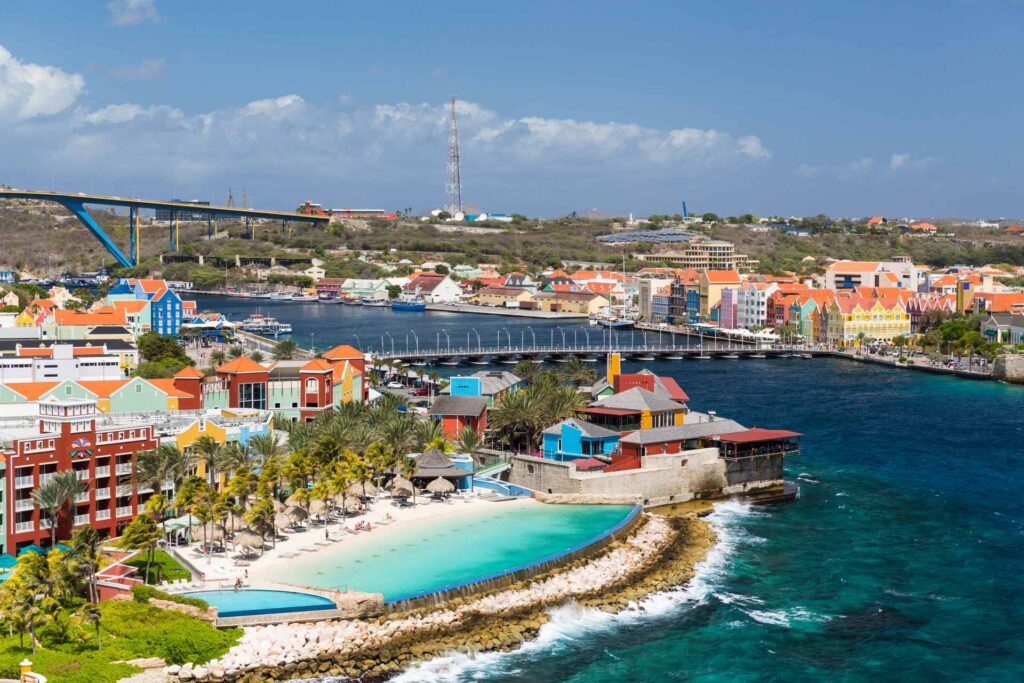
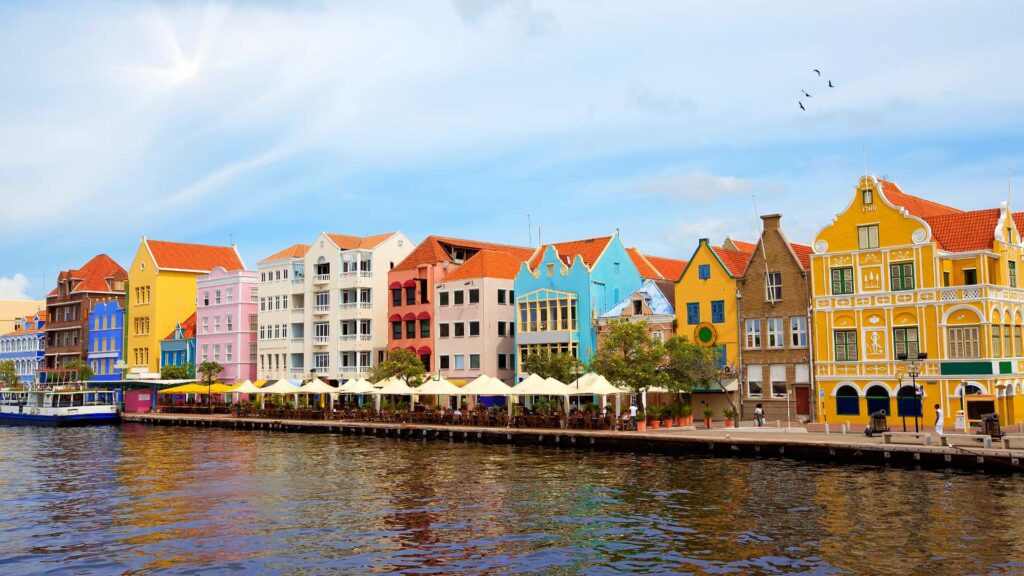
Willemstad is best explored slowly on foot, especially around Punda, Otrobanda, the Handelskade and the Queen Emma Bridge. The city gives the trip context before you head west to beaches and national parks.
Start in Punda, where narrow streets, shops and waterfront buildings make it easy to get your bearings. Walk toward the Handelskade for the classic harbor view, then cross the Queen Emma Bridge when it is open to pedestrians. The floating bridge links Punda and Otrobanda, and the crossing is one of the easiest ways to understand how the city is built around the harbor.
In Otrobanda, leave time for restored streets, colorful facades and street art. This side feels less like a sightseeing loop and more like a neighborhood, so it is worth moving at a slower pace. If you are planning dinner in town, stay into the evening rather than treating Willemstad as a quick morning stop.
How to combine Willemstad in one visit
For a practical half-day route, start in Punda, walk the Handelskade, cross Queen Emma Bridge, explore Otrobanda, then return for dinner or drinks near the waterfront. If you want a museum or guided walking tour, place it in the middle of the day and save outdoor wandering for morning or late afternoon, when the light and heat are easier to manage.
Willemstad should not dominate your entire trip, but it is the best place to understand Curaçao’s mix of Dutch Caribbean architecture, local life, harbor history and restaurant culture.
See another side of Curaçao’s history at Fort Beekenburg
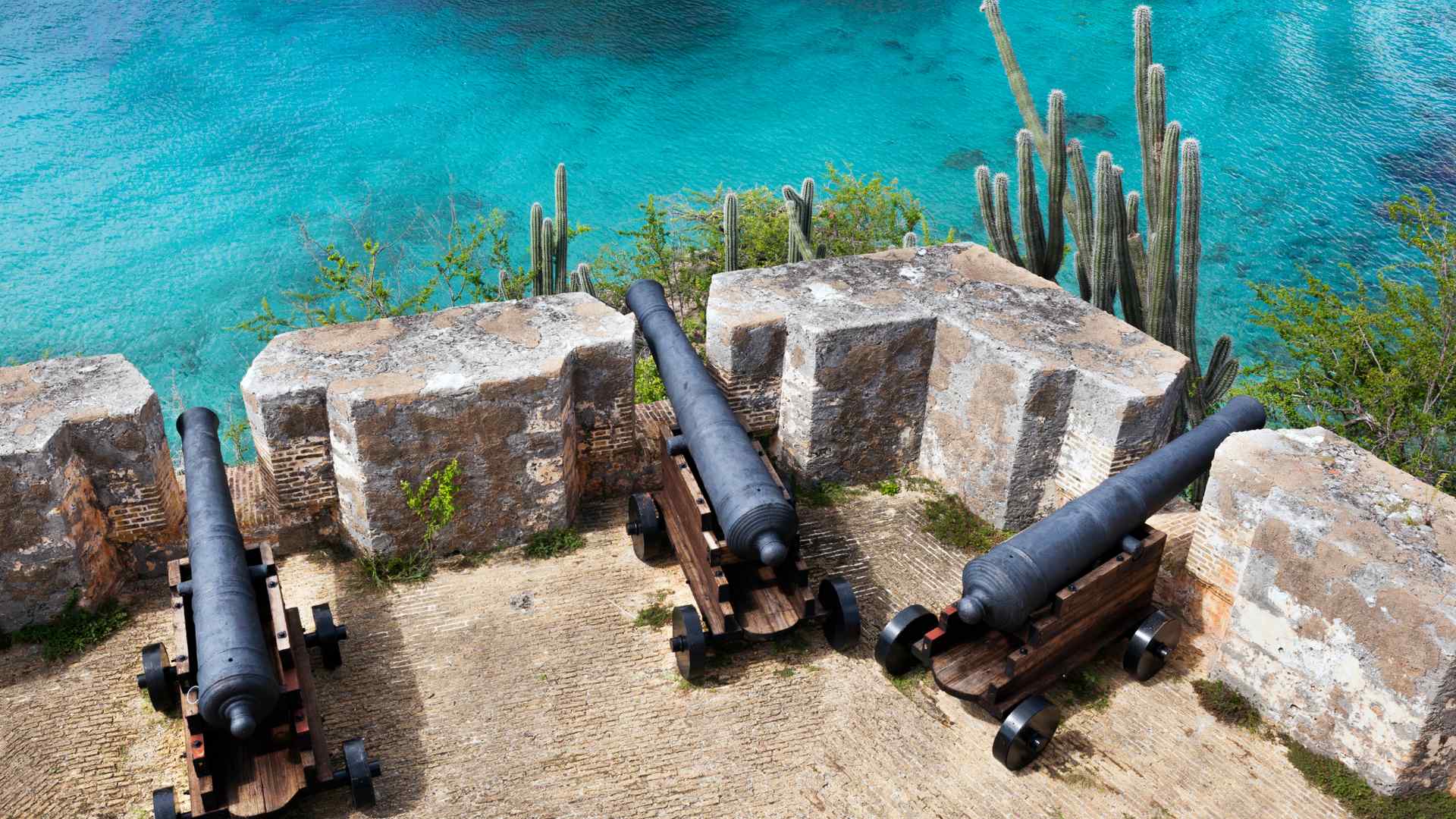
Fort Beekenburg is a worthwhile detour for travelers who want to see more of Curaçao’s history beyond central Willemstad. The fort stands at Caracas Bay and once protected the entrance to Spanish Water. Its round stone tower and coastal position make it an interesting stop to combine with another activity in the southeastern part of the island. It does not belong on a west coast itinerary, so plan it for a separate day.
Discover Curaçao’s wild west coast
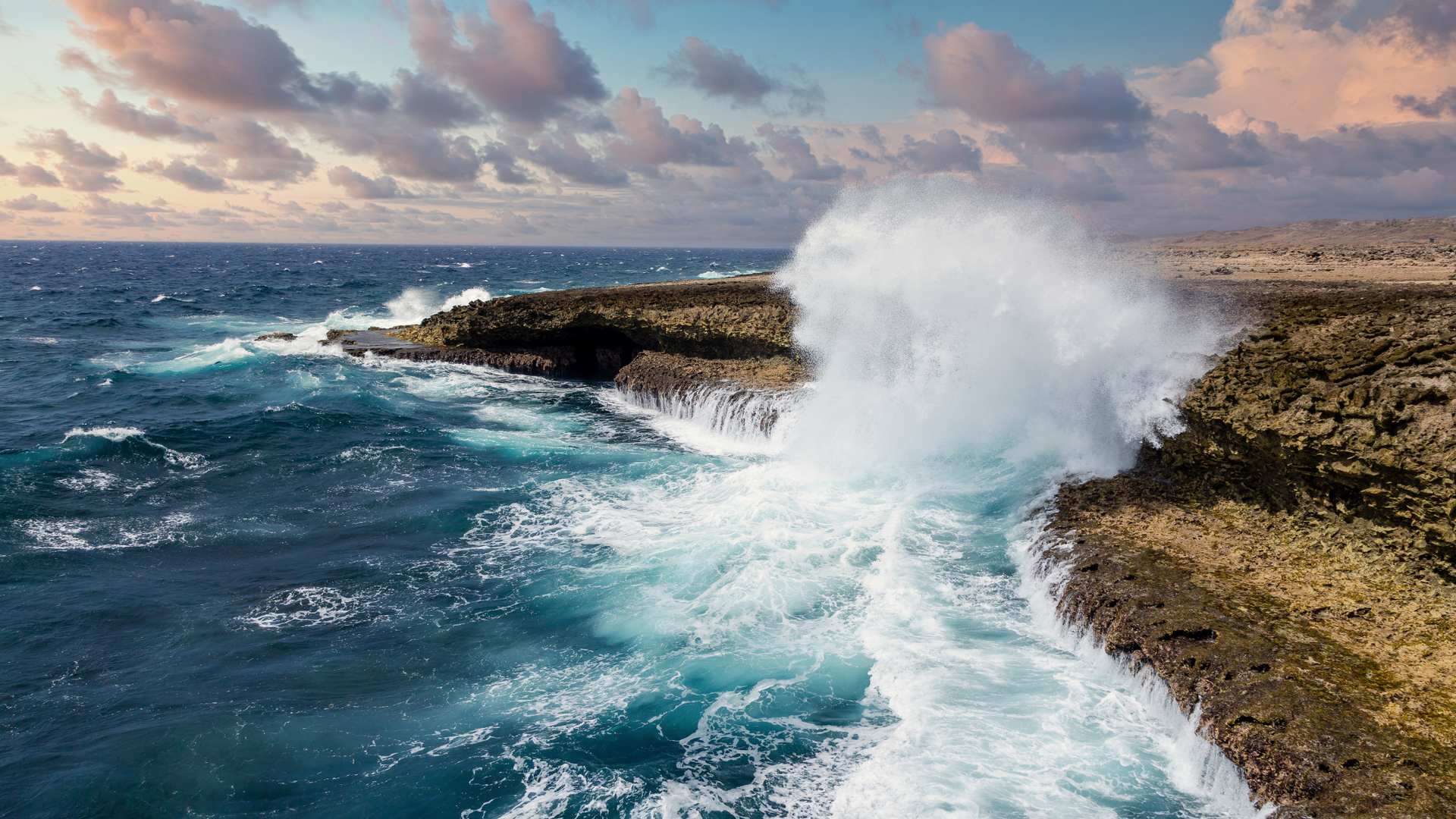
Curaçao’s west coast is where the island starts to feel more open, rugged and quietly dramatic. It is the right part of the island for travelers who want coves, cliffs, snorkeling beaches, views and national parks in the same trip.
Compared with the more developed areas near Willemstad and the eastern resort zones, the west has a slower pace. Roads lead past dry landscapes, hills, fishing villages and small bays cut into the coast. Beaches are often smaller than travelers expect, but that is part of the appeal. Instead of long, flat resort beaches, Curaçao often gives you compact coves with clear water, cliffs and reef access close to shore.
A rental car is especially useful here. Public transportation exists on the island, but beaches, viewpoints and parks are spread out. With a car, you can leave early, adjust your route, carry beach gear and avoid depending on fixed tour timings.
A realistic west coast day
A strong west coast day might combine:
- one scenic beach such as Playa Kenepa Grandi or Playa Forti,
- one snorkeling cove such as Playa Lagun, Playa Kalki or Playa Porto Mari,
- one local lunch stop,
- one late-afternoon viewpoint or sunset stop.
Do not add Christoffel National Park and Shete Boka National Park to a full beach-hopping day unless you are comfortable with a long, active schedule. The parks deserve an early start, and snorkeling is usually more enjoyable when you are not rushing.
Add Hòfi Pastor to a west coast drive
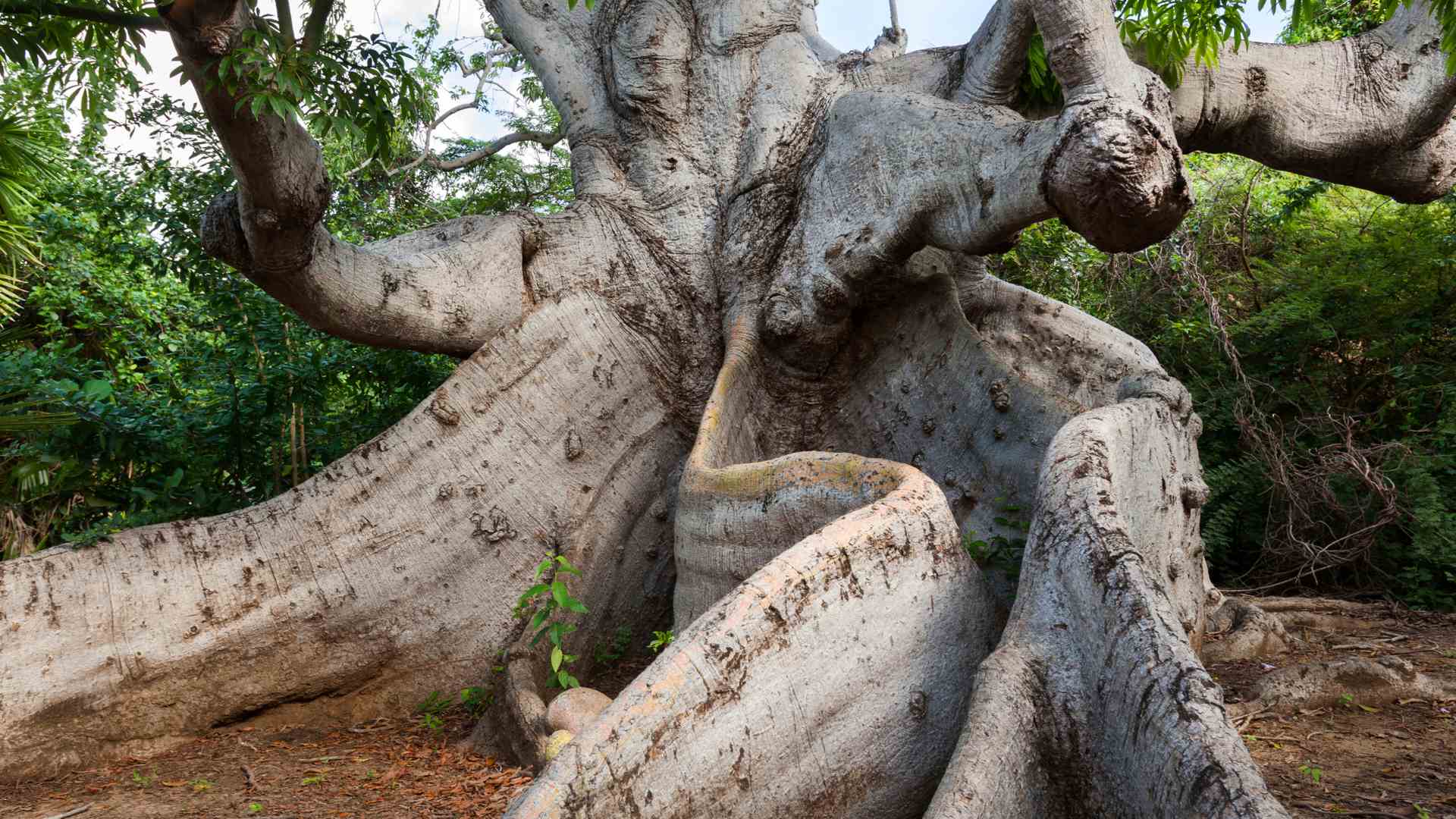
Hòfi Pastor near Barber offers a quieter nature stop between the island’s beaches and larger national parks. The small park is home to Curaçao’s oldest tree, a giant kapok with an enormous trunk and exposed roots. It is a useful addition to a west coast drive if you want a short walk and a different view of the island’s landscape. Check current opening information before visiting.
Who will like West Curaçao most?
West Curaçao is especially good for active travelers, couples who like road trips, families with older children and snorkelers who want easy shore access. It is less ideal if your priority is nightlife within walking distance or a schedule built entirely around restaurants, shopping and organized beach clubs.
Visit Christoffel National Park
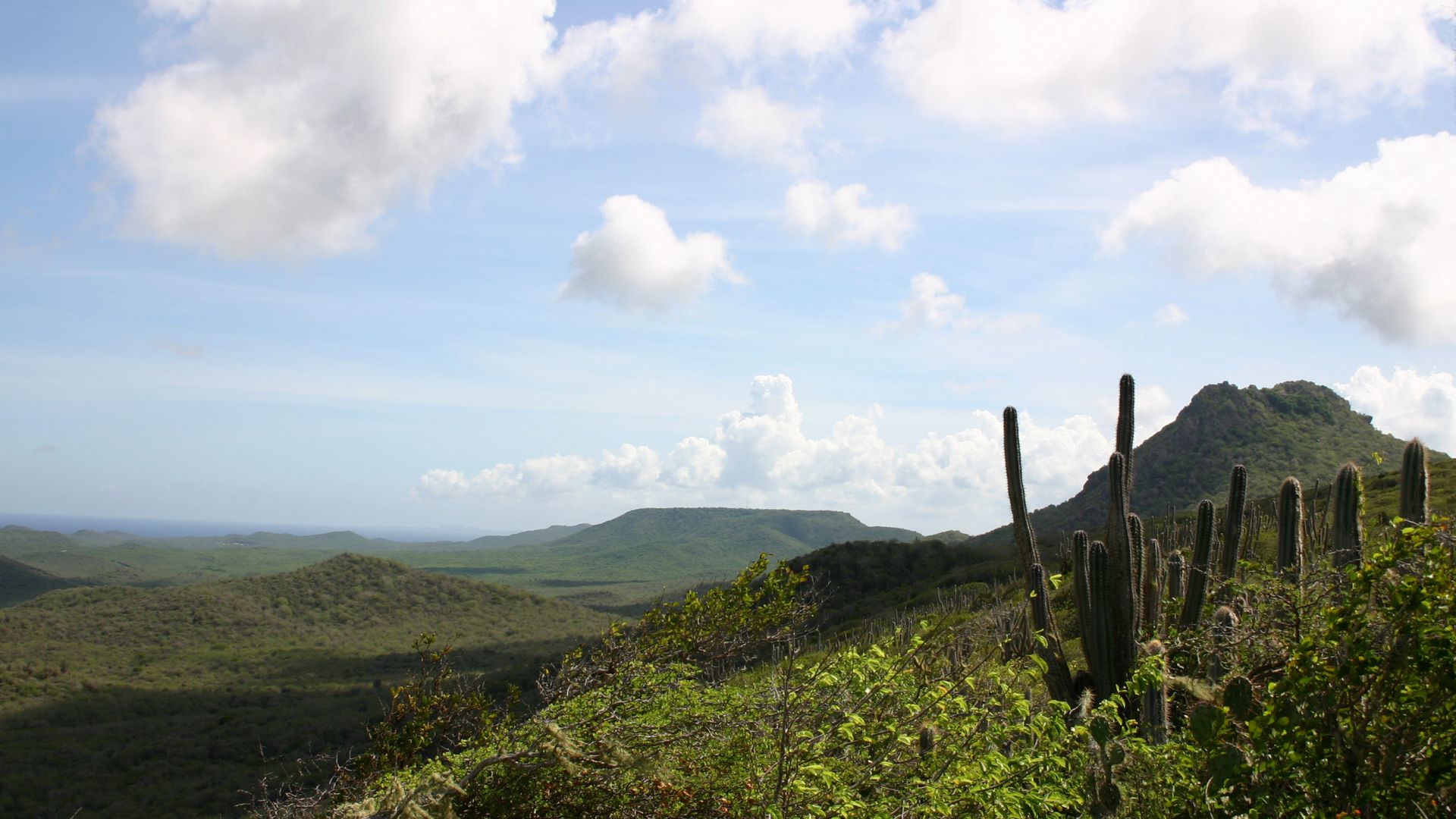
Christoffel National Park is the place to go for Curaçao’s dry tropical landscapes, hiking trails, local flora and fauna and views around Christoffel Mountain. It is one of the island’s most important nature experiences and works best as an early-morning activity.
The park is not a casual midday stroll in flip-flops. Heat matters, and the mountain climb has time restrictions for safety. If you want to hike, plan this for the start of the day, bring more water than you think you need and wear proper shoes.
The park also includes the Savonet Museum, so travelers who are less interested in a challenging hike can still combine nature and local history. Guided activities and safari-style tours may be available, but should be booked or confirmed in advance.
Who should climb Christoffel Mountain?
The Christoffel Mountain climb is best for fit travelers who are used to hiking in heat and uneven terrain. It is not the best option for very young children, anyone with limited mobility or travelers who prefer gentle nature walks. If you are unsure, choose an easier trail, a scenic drive or a guided activity instead.
What to bring
Bring sturdy shoes, water, sun protection, a hat, light clothing and snacks. Start early and check current park rules before going. Dogs are not allowed in Christoffel National Park, and the latest permitted start time for the mountain climb is set to avoid the strongest heat.
Experience the rugged coast at Shete Boka National Park
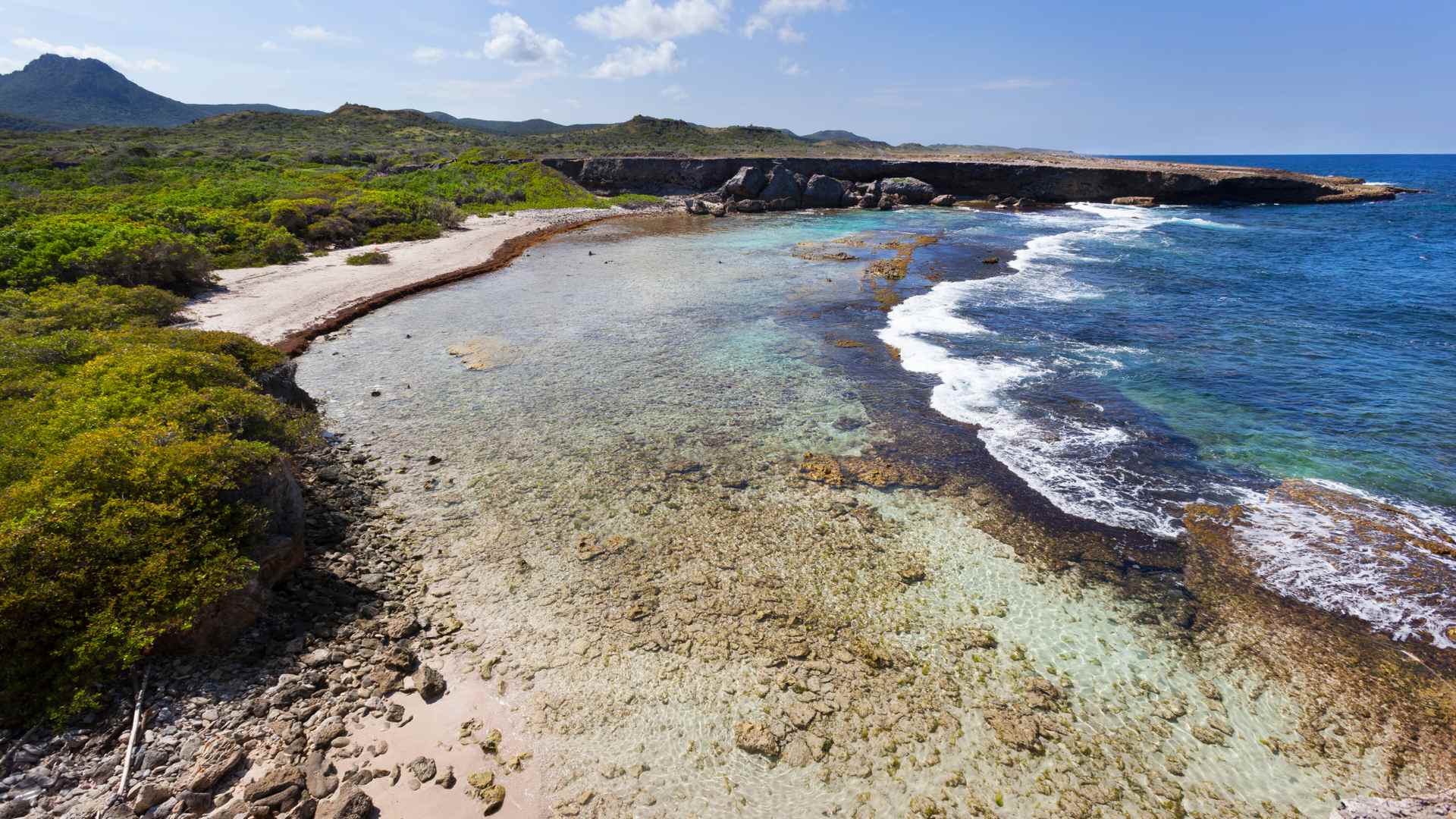
Shete Boka National Park is not a swimming beach stop. It is where you go to see Curaçao’s rough north coast, wave-exposed rock formations, sea caves, blowholes and protected pocket bays.
The park sits beside the Christoffel area and protects almost 10 kilometers of rocky coastline. Its landscape is a useful contrast to the calm beaches on the south and west coasts. Here, the attraction is the force of the sea, not a soft entry into the water.
Highlights include Boka Tabla, where waves push into an underground cavern, as well as viewpoints and walking routes along the limestone coast. Some inlets are protected turtle nesting areas, so visitors should stay on marked paths, respect signs and avoid disturbing wildlife.
How much time should you allow?
Allow around two to three hours if you want to walk, take photos and visit several viewpoints without rushing. It works well with Christoffel National Park if you start early, but it can also stand alone as a half-day nature outing.
Safety note
Do not assume every bay in Shete Boka is safe for swimming. The north coast can be powerful, rocky and exposed. Treat this as a viewpoint and walking experience unless signs and official guidance clearly indicate otherwise.
Go snorkeling in Curaçao
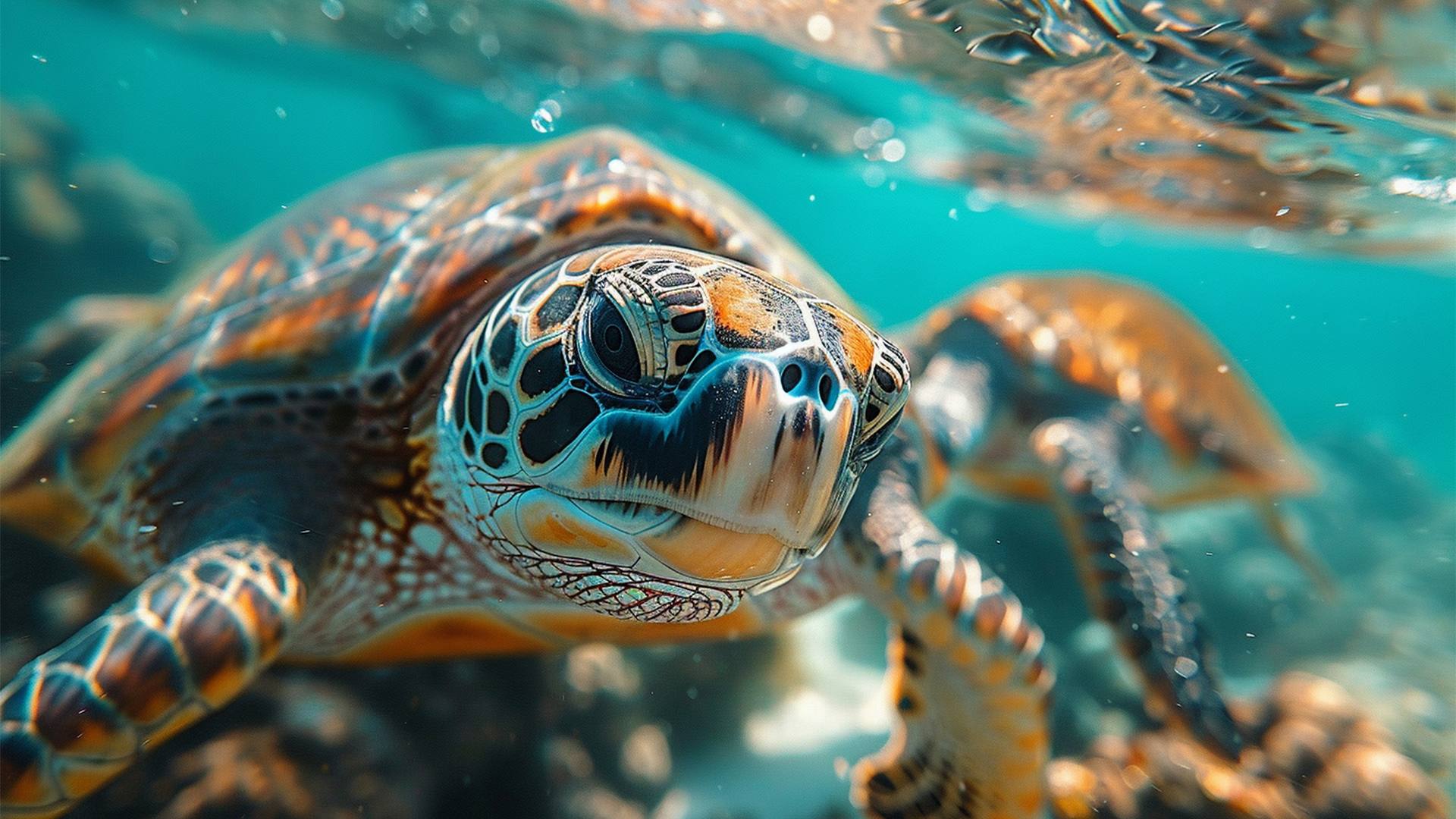
Curaçao is especially appealing for snorkelers because many sites can be reached from shore. You do not always need a boat trip, although guided excursions can be useful if you want local knowledge, gear support or access to specific offshore sites.
For beginners, choose calm bays with easy beach entry and facilities nearby. Playa Lagun, Blue Bay, Cas Abao, Jan Thiel and Playa Porto Mari are often mentioned for accessible snorkeling, depending on current conditions. More experienced snorkelers may look at places with reefs, rocky edges or more varied entries, but conditions should always be checked locally.
Shore snorkeling or guided tour?
Choose shore snorkeling if you like flexibility, have your own gear and are happy to move at your own pace. Choose a guided tour if you are new to snorkeling, want help reading conditions or prefer not to drive between sites.
Wildlife expectations
Sea turtles and other marine life may be seen in Curaçao, but sightings should never be treated as guaranteed. Keep distance from animals, do not touch or feed them and never block their movement for photos. Coral is fragile, so avoid standing on reefs, use reef-safe sun protection and stay aware of your fins.
Find the best beach in Curaçao for your travel style
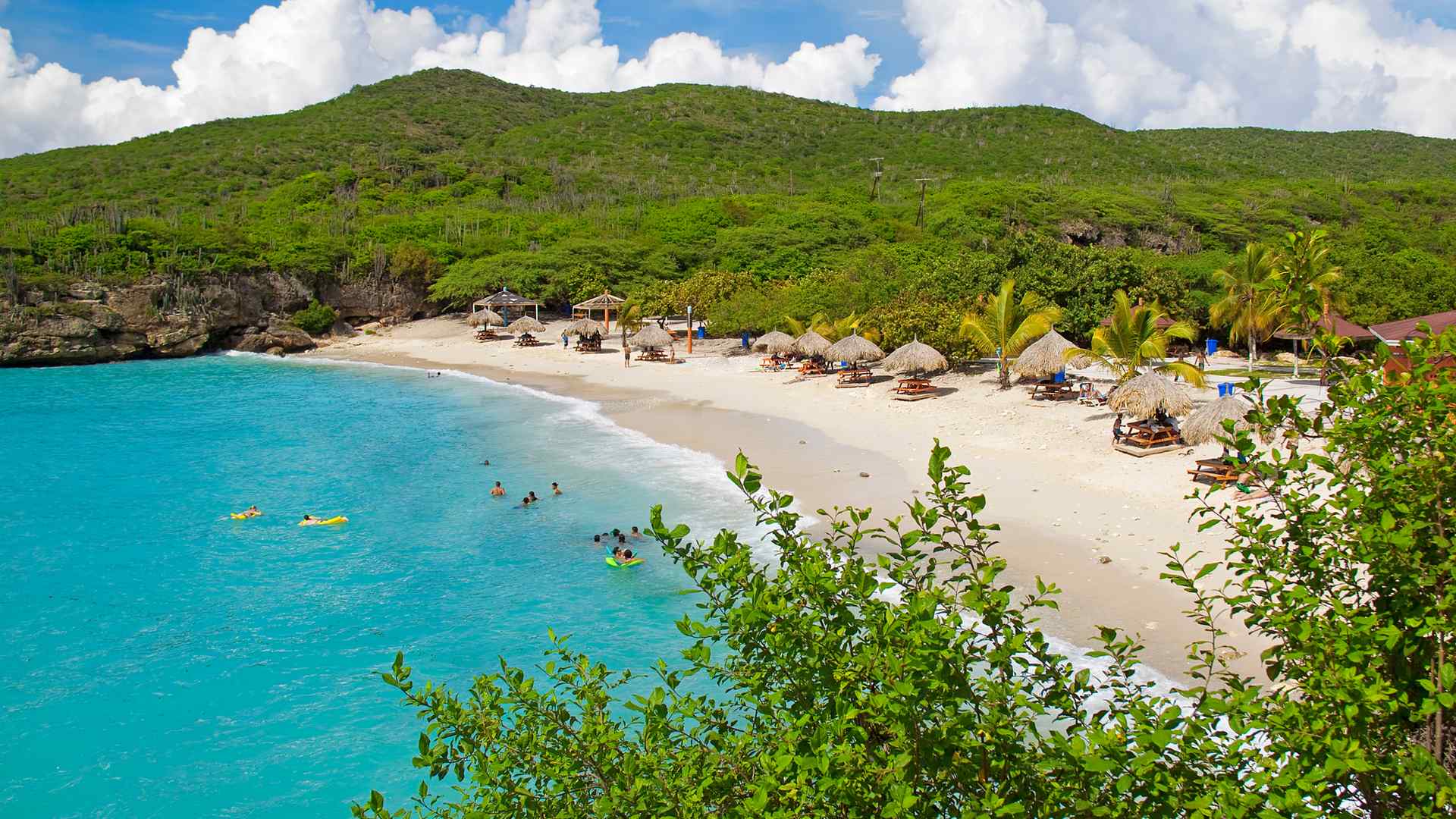
The best beaches in Curaçao depend on what you want from the day. Some are better for facilities and food, some for snorkeling, some for scenery and some for a quieter west coast road trip.
Best for snorkeling
Playa Lagun, Playa Kalki and Playa Porto Mari are useful choices for travelers who want shore snorkeling rather than only swimming. Playa Lagun is a small cove, Playa Kalki is known as a dive and snorkel site near Westpunt, and Playa Porto Mari offers a beach setting with reef access. Always check current sea conditions before entering.
Best for families
Cas Abao, Blue Bay and Jan Thiel are practical family choices when facilities matter. Look for gentle entries, parking, toilets, food options and shade. Families with younger children should prioritize calm water and convenience over dramatic scenery.
Best for a quiet beach day
For a quieter day, look west and avoid peak weekend times. Smaller coves can feel peaceful in the morning, but quiet is never guaranteed. Arrive early, bring water and do not assume every beach has full facilities.
Best for facilities and food
Mambo Beach, Jan Thiel, Blue Bay and Cas Abao are better choices if you want beach clubs, restaurants, loungers or an easier all-day setup. These places may feel busier, but they reduce planning friction.
Best for scenery
Playa Kenepa Grandi, Playa Forti and the cliffs around Westpunt are strong scenic stops. These are especially rewarding as part of a west coast drive, where the view is part of the experience rather than only the beach itself.
Best for combining with a west coast road trip
For a road trip, choose two or three stops instead of trying to see every beach. Playa Lagun, Playa Kenepa Grandi, Playa Forti, Playa Kalki and Westpunt can be combined depending on your starting point, time and energy.
Try Curaçao’s food and local flavors
Curaçao’s food scene is more interesting when you treat it as part of the culture, not just a restaurant checklist. For a first trip, mix at least one local lunch, one waterfront dinner and one casual street-food experience.
In Willemstad, look for local dishes, seafood, Caribbean flavors and restaurants in historic neighborhoods. Markets and casual lunch spots can be a good way to try local food without making dinner the main event of the day.
In the evening, Curaçao’s Truki Pan food trucks are part of local food culture. They are known for grilled dishes and late-night comfort food, often in casual roadside settings. For travelers, they work best as a relaxed local experience rather than a “best restaurant” claim. Check current opening days, location and payment options before going.
Food planning tip
If you are spending the day in West Curaçao, do not assume every beach has the same level of food service. Some beaches have restaurants or snack bars, others are simpler. Carry water and a backup snack, especially with children.
Best things to do in Curaçao with kids
The best things to do in Curaçao with kids are the activities that keep logistics simple: calm beaches, short snorkeling sessions, shaded breaks, easy meals and realistic driving times.
Families should prioritize beaches with facilities, gentle water and parking. Cas Abao, Blue Bay, Jan Thiel and Mambo Beach can be easier than remote coves if you need toilets, food and shade. For a more adventurous family day, choose one west coast beach and one scenic stop rather than trying to fit in several long drives.
Christoffel National Park can work for families with older children who enjoy hiking, but the mountain climb is not suitable for every family. Heat, uneven paths and early timing all matter. Shete Boka can be exciting for kids who like waves and dramatic landscapes, but it requires supervision near rocks and viewpoints.
A realistic family day
Start with a calm beach in the morning, take a proper lunch break, then add one simple afternoon stop, such as a viewpoint, city walk or ice cream in Willemstad. Avoid planning the most active hikes and the longest beach drive on the same day.
Best things to do in Curaçao for couples
For couples, Curaçao works well as a road-trip island. The best experiences are not overly staged: a morning walk through Willemstad, a west coast beach day, a sunset viewpoint, a local dinner and a slower snorkeling morning.
Couples who like nature should build a day around Christoffel National Park and Shete Boka National Park. Couples who prefer the coast can spend a day moving between two beaches, with lunch and a late-afternoon lookout rather than a packed schedule.
Good couple-friendly ideas
- Walk Willemstad before dinner.
- Drive west for beaches and viewpoints.
- Choose a smaller cove for a slower swim.
- Plan one early morning nature outing.
- Try a casual Truki Pan stop or local-food lunch.
- Book a guided water activity if you want a shared experience without handling logistics.
Keep the romantic language simple. Curaçao does not need exaggerated sunset promises. The best moments usually come from leaving enough space in the day.
When is the best time to visit Curaçao?
The best time to visit Curaçao depends on whether you care most about drier weather, underwater visibility, fewer crowds or availability. Curaçao is outside the main hurricane belt, but the Caribbean hurricane season still runs from June through November, and perfect weather is never guaranteed.
For drier conditions, many travelers prefer the early part of the year. For diving and snorkeling, Curaçao is often considered a year-round destination because water temperatures are warm and many sites are accessible from shore. For fewer crowds, shoulder periods can be appealing, but travelers should still check flight schedules, hotel availability and weather expectations.
The most useful way to choose your travel time is by priority:
- For beach days: look for months with typically drier conditions.
- For snorkeling and diving: check sea conditions, visibility and operator advice before booking activities.
- For fewer crowds: compare school vacation periods, events and hotel availability.
- For flexible travelers: build a mixed itinerary with beaches, Willemstad, food and nature, so the trip does not depend on perfect beach weather every day.
How many days do you need in Curaçao?
You need at least four days in Curaçao to see the basics, but a week is much better for combining beaches, Willemstad, snorkeling and the west coast without rushing.
Short stay: 3 to 4 days
With three or four days, focus on Willemstad, one beach day, one west coast outing and one flexible activity such as snorkeling or a guided tour. Do not try to see every major beach.
One week
A week gives you the best balance. You can spend one day in Willemstad, two days exploring beaches, one day at Christoffel and Shete Boka, one day snorkeling or diving, one slower pool or beach day and one flexible day for food, shopping or a boat trip.
Longer stay
With more than a week, Curaçao becomes less about “top things to do” and more about choosing your rhythm. Repeat favorite beaches, try different snorkeling spots, split Willemstad across two evenings and leave time for less planned discoveries.
A suggested Curaçao itinerary
A realistic Curaçao itinerary should group nearby experiences and avoid long cross-island drives every day.
Day 1: Willemstad
Walk through Punda and Otrobanda, cross Queen Emma Bridge, see the Handelskade and stay for dinner in town.
Day 2: West coast beaches and snorkeling
Drive west for two or three beach stops. Choose one snorkeling beach, one scenic beach and one lunch stop. Keep the route flexible.
Day 3: Christoffel National Park and Shete Boka
Start early at Christoffel National Park. If energy and timing allow, continue to Shete Boka for the rugged north coast. Keep the afternoon relaxed.
Day 4: Easy beach day or guided water activity
Choose a beach with facilities, book a snorkeling or diving experience or take a boat trip if conditions and availability are right.
Days 5 to 7: Slow the trip down
Repeat a favorite beach, return to Willemstad for an evening, try local food, add another west coast stop or spend a day doing very little. Curaçao is better when the itinerary has room to breathe.
Where to stay for beaches and nature
Where you stay in Curaçao should match the trip you want. Willemstad and the more developed resort areas are practical if restaurants, nightlife, beach clubs and city access are your main priorities. A quieter western location is a better fit if you want to spend more time around beaches, nature, viewpoints, snorkeling spots and national parks.
Travelers who want to explore the west should consider renting a car, especially for days around Christoffel National Park, Shete Boka, Westpunt and smaller bays. Staying farther west can reduce driving for nature-focused days, while Willemstad remains a worthwhile day or evening trip.
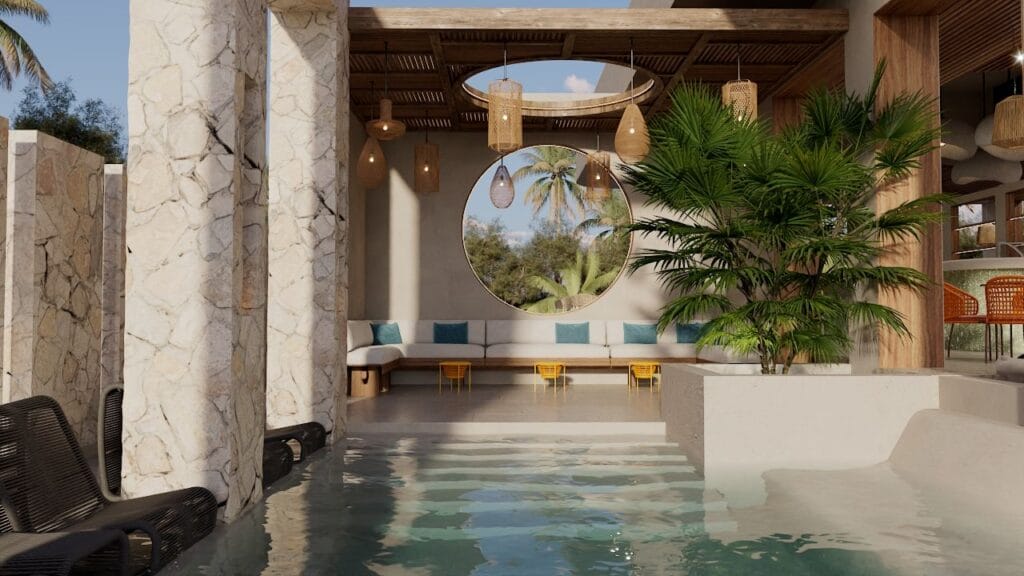
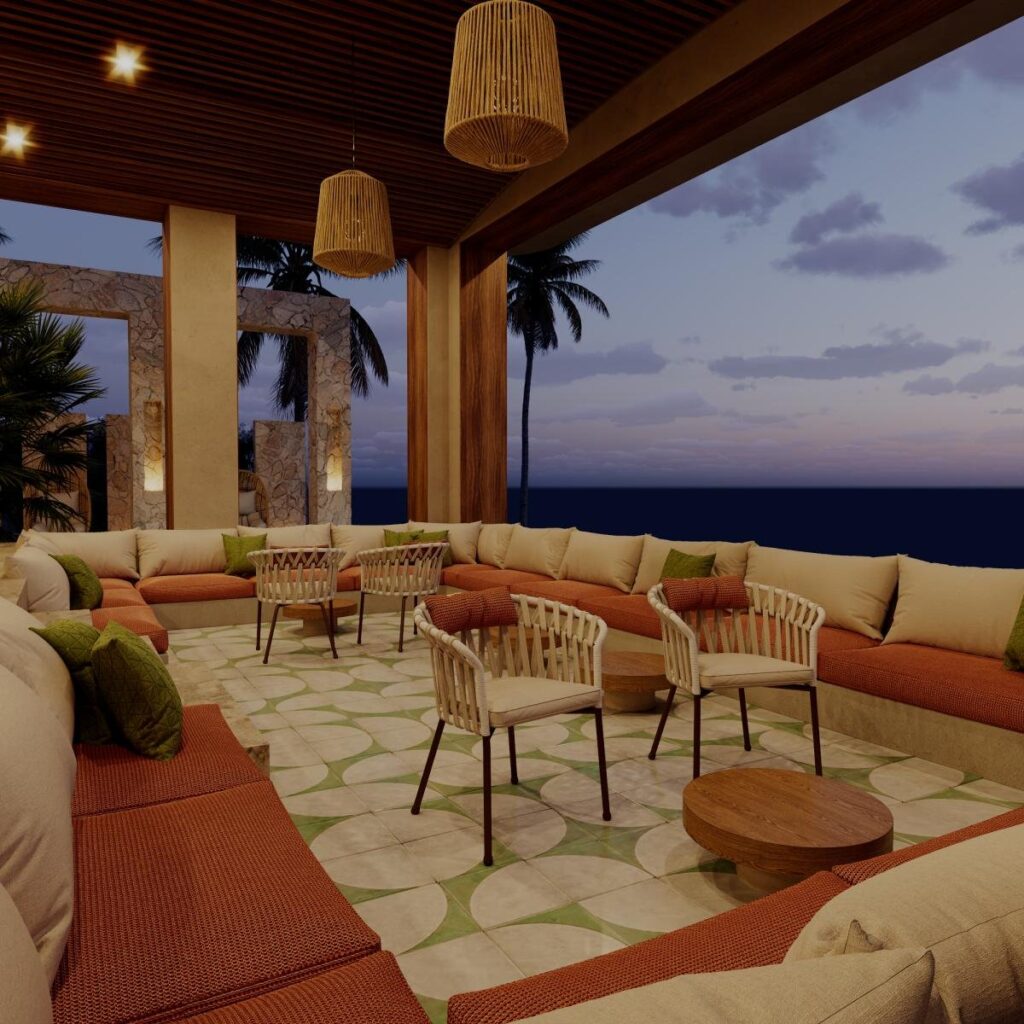
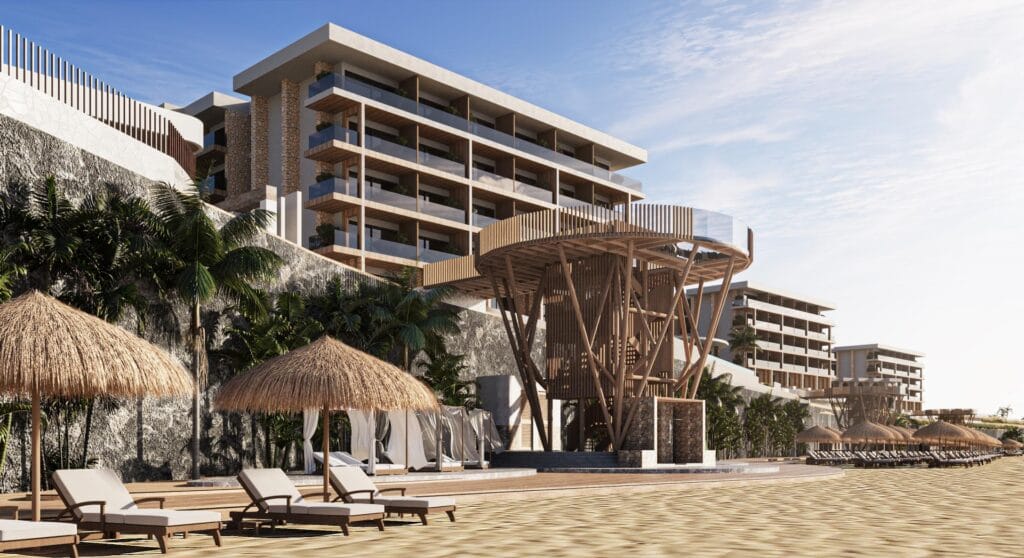
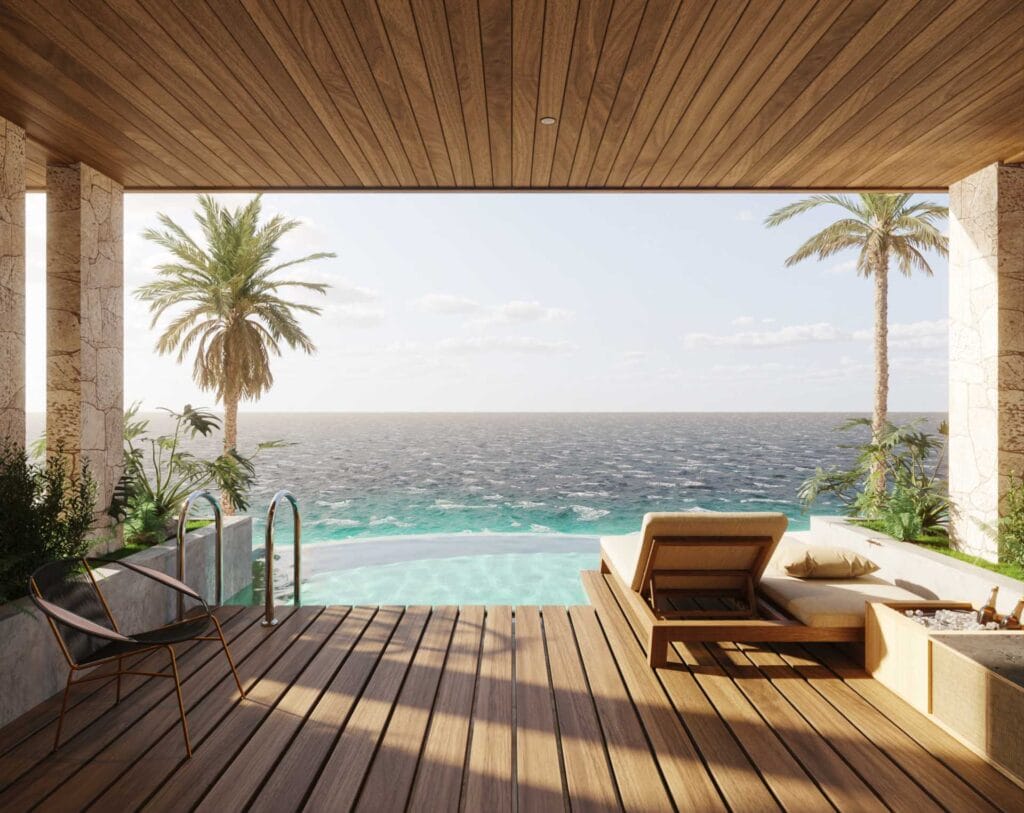
For a beach-and-nature base, TUI BLUE Curaçao is an all-inclusive resort in Curaçao, located in Santa Martha amid the natural scenery of Santa Martha Bay, with views toward Christoffelberg mountain and the Caribbean Sea. The all-inclusive concept makes the resort especially practical if you want to explore during the day and return to an easy base with restaurants, bars, beach time and relaxed downtime already part of the stay.
The resort works especially well for adults and couples who want relaxation, dining and independent exploration. There is also a quieter adults-oriented side to the stay, which fits travelers who want the west coast, nature and sea views without a busy resort feel.
A strong room highlight is the Ocean Front Junior Suite Swim-Up. It gives the accommodation section a concrete premium image: a swim-up suite facing the sea, where the pool and ocean view become part of the same experience. After active days exploring West Curaçao, it is exactly the kind of space that makes slowing down feel like part of the trip, not a break from it.
Frequently asked questions about visiting Curaçao
What are the best things to do in Curaçao?
The best things to do in Curaçao are exploring Willemstad, beach-hopping along the sheltered coast, snorkeling from shore, visiting Christoffel National Park, seeing the rough coastline at Shete Boka and spending time in West Curaçao. A first trip works best when you combine city, beach and nature rather than choosing only one part of the island.
How many days do you need in Curaçao?
You need at least four days in Curaçao for a first overview, but around a week is more comfortable. Four days allow for Willemstad, one beach day, one west coast outing and one snorkeling or nature activity. A week gives you enough time to visit national parks, slow down at the beach and avoid rushing between stops.
Is Curaçao good for snorkeling?
Yes, Curaçao is good for snorkeling, especially because many sites are accessible from shore. Travelers can choose calm, beginner-friendly beaches or more varied reef areas depending on experience and conditions. Snorkelers should avoid touching coral, keep distance from marine life and check local sea conditions before entering the water.
Do you need a rental car in Curaçao?
You do not need a rental car for every Curaçao trip, but it is very helpful if you want to explore the west coast, national parks and multiple beaches independently. Public transportation and taxis are available, but a car gives more flexibility for early starts, beach gear and routes beyond Willemstad.
What is the best time to visit Curaçao?
The best time to visit Curaçao depends on your priorities. Drier months suit beach-focused travelers, while snorkeling and diving can be possible year-round when conditions allow. Curaçao is outside the main hurricane belt, but travelers should still check current forecasts and local conditions before planning outdoor activities.
Which side of Curaçao has the best beaches?
Many of Curaçao’s most scenic and snorkeling-friendly beaches are along the sheltered south and west coasts. The west is especially useful for travelers who want coves, cliffs, road trips and a quieter feel. The best side for you depends on whether you prefer facilities, scenery, snorkeling, family convenience or a less developed setting.
Is Curaçao suitable for families?
Yes, Curaçao can be suitable for families, especially when you choose beaches with calm water, facilities and easy access. Families should plan around heat, driving time, shade and sea conditions. National parks and west coast road trips can be great with older children, but younger kids may do better with simpler beach days and shorter outings.
Is there an all-inclusive resort in Curaçao for beaches and nature?
Yes, TUI BLUE Curaçao is an all-inclusive resort in Curaçao in Santa Martha. It is a good fit if you want a quieter beach-and-nature base with access to the west coast, national parks and snorkeling spots. A rental car is useful if you plan to explore beyond the resort area.
Can you explore Curaçao from a west coast hotel?
Yes, you can explore Curaçao from a west coast hotel, especially if your focus is beaches, snorkeling, Christoffel National Park, Shete Boka and quieter scenery. A rental car is usually useful because Willemstad, restaurants and some activities may be farther away. The trade-off is less city convenience but better access to nature-focused days.