

For many travellers in India, Bhutan feels like a big, faraway dream. A country of monasteries in the clouds, prayer flags on mountain passes and the legendary Tiger’s Nest hanging on a cliff. Something you plan once in a lifetime, over many days, with a long itinerary.
But Bhutan can also be experienced differently. If you have limited holidays, a growing curiosity for the Himalayas and a wish to see Tiger’s Nest with your own eyes, a shorter, more focused trip to Paro may be exactly the right way to start. You do not need to cross the entire country to feel Bhutan. You need the right base, a clear plan and a few unhurried days.
This guide is written with Indian travellers in mind — the country’s largest and most consistent source market for Bhutan tourism, which alone accounted for about 62 % of all arrivals in 2025. Let us look at how a short Bhutan escape from India can work, what to expect in Paro and why the newly opened TUI BLUE Paro Taktsang makes a comfortable, well-located base for such a trip.
Table of contents
Why Bhutan is closer than you think
Bhutan and India share more than a border. They share centuries of cultural, religious and historical connection — and today, that closeness is also visible in the travel numbers. According to Bhutan’s Department of Tourism, Indian travellers continue to dominate arrivals, accounting for more than half of all visitors in early 2026, thanks to open land borders, cultural proximity and shared traditions.
For Indian passport holders, entry is refreshingly simple compared to most other international destinations. There is no traditional tourist visa. Instead, you apply for an Entry Permit, either online through the official Bhutan Department of Tourism portal or a licensed operator, or in some cases at the port of entry. It is not visa-free travel — but it is a much smoother process than for most other nationalities.
That single fact changes what a Bhutan trip can look like. You do not have to plan for weeks. You can plan for days.
You do not have to do the “full” Bhutan round trip
Most Bhutan itineraries you see online follow the same pattern: land in Paro, drive to Thimphu, continue to Punakha, sometimes further east, and then loop back. It is a beautiful route, but it takes time, budget and stamina — especially on winding mountain roads.
If you are travelling from India for a shorter break, a focused Paro trip can be just as rewarding. You will still see monasteries. You will still walk through pine forests and prayer flags. You will still stand in front of the Tiger’s Nest and feel the mountains around you. What you will not do is spend three days in a car.
For many first-time visitors — couples, small groups of friends, families with older children, or Indian travellers who simply want to experience Bhutan without turning it into a two-week project — this is a very honest way to see the country.
Paro: the ideal starting point for a short Bhutan escape
Paro is where most international journeys into Bhutan begin. It is home to the country’s only international airport, sitting in a green valley framed by mountains, with the Paro Chhu river running through it. But Paro is far more than an arrival point.
The valley itself is one of the most photogenic parts of Bhutan. Traditional Bhutanese houses line the fields, dzongs (fortress-monasteries) rise above the river, and the pace of life feels genuinely slow. For a short trip, this is exactly what you want: fewer transfers, more time in one place, and everything important within reasonable reach.
The new TUI BLUE Paro Taktsang is located in Shari, a picturesque village in Paro, and is close to some of Bhutan’s most revered cultural landmarks, including Tiger’s Nest Monastery, Kyichu Lhakhang Temple and Ugyen Pelri Thang Palace. That location alone makes it possible to build a meaningful itinerary without spending your holiday on the road.
Tiger’s Nest Monastery: the heart of your Paro trip
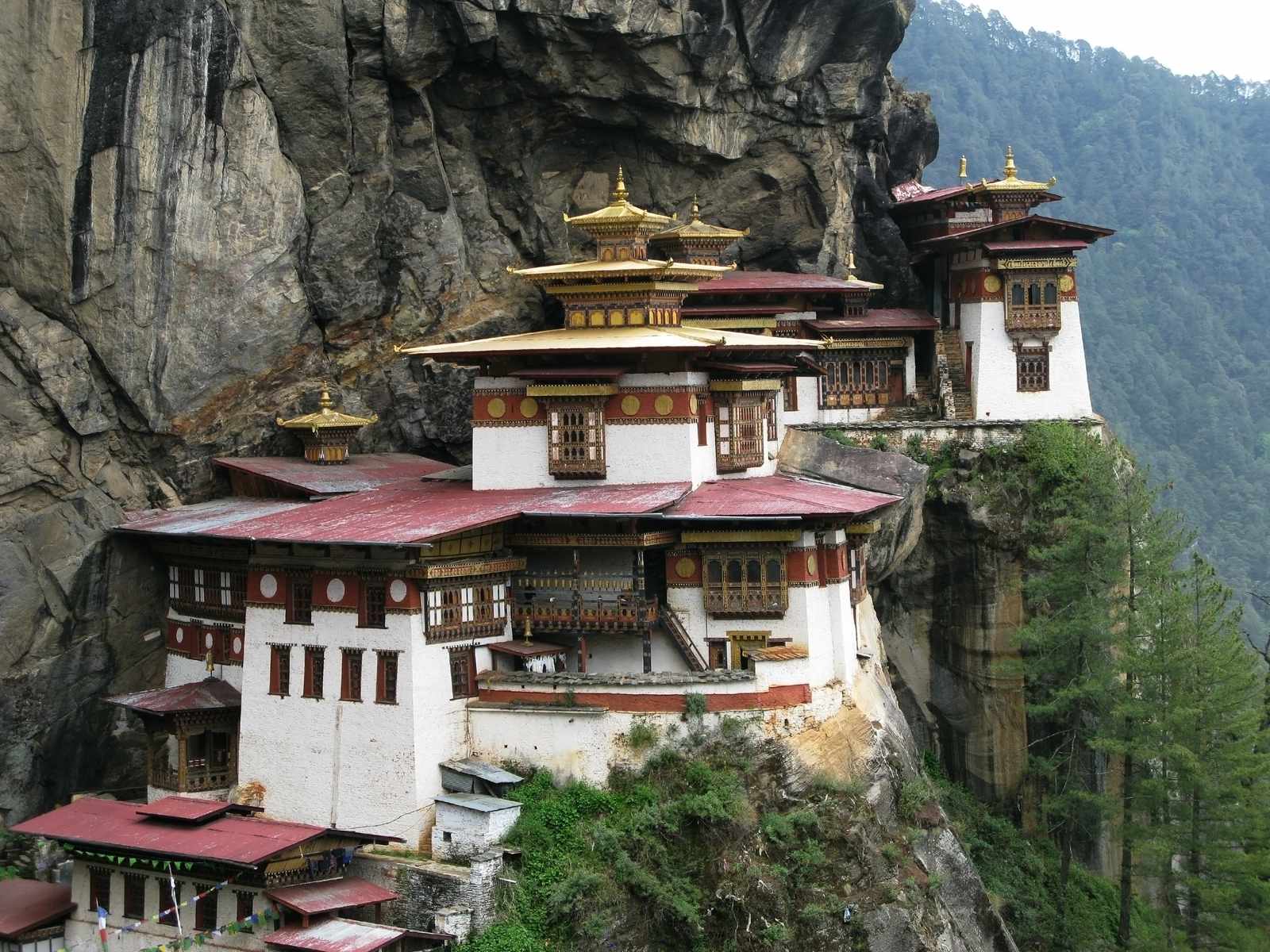
If there is one image that represents Bhutan around the world, it is Paro Taktsang — the Tiger’s Nest — perched on a granite cliff around 900 metres above the Paro Valley. For most travellers, this is the moment they came for.
The hike to Tiger’s Nest is not a technical trek, but it is not a stroll either. It usually takes two to three hours up through blue pine forests, with rest points, prayer wheels and viewpoints along the way. The higher you go, the more the monastery seems to float. At the last bend, when the temple complex suddenly appears across a small ravine, most visitors go completely quiet.
You do not need to be a spiritual seeker to feel it. You just need to be there.
For Indian travellers, Tiger’s Nest is also culturally familiar in a beautiful way. Bhutanese Buddhism, temple architecture, prayer rituals and the shared reverence for Guru Padmasambhava create an atmosphere that feels foreign and familiar at the same time.
Beyond Tiger’s Nest: what else to see in Paro
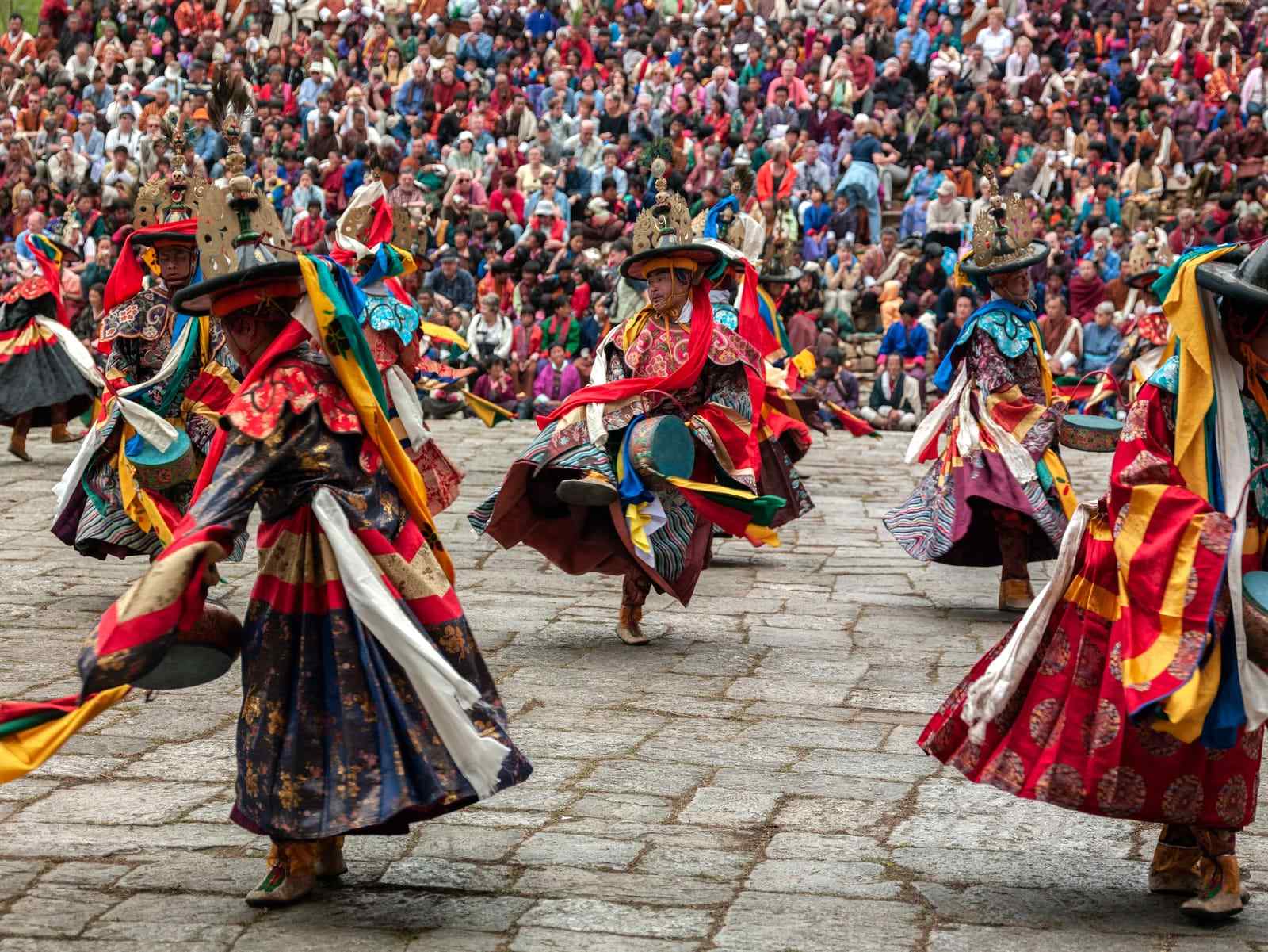
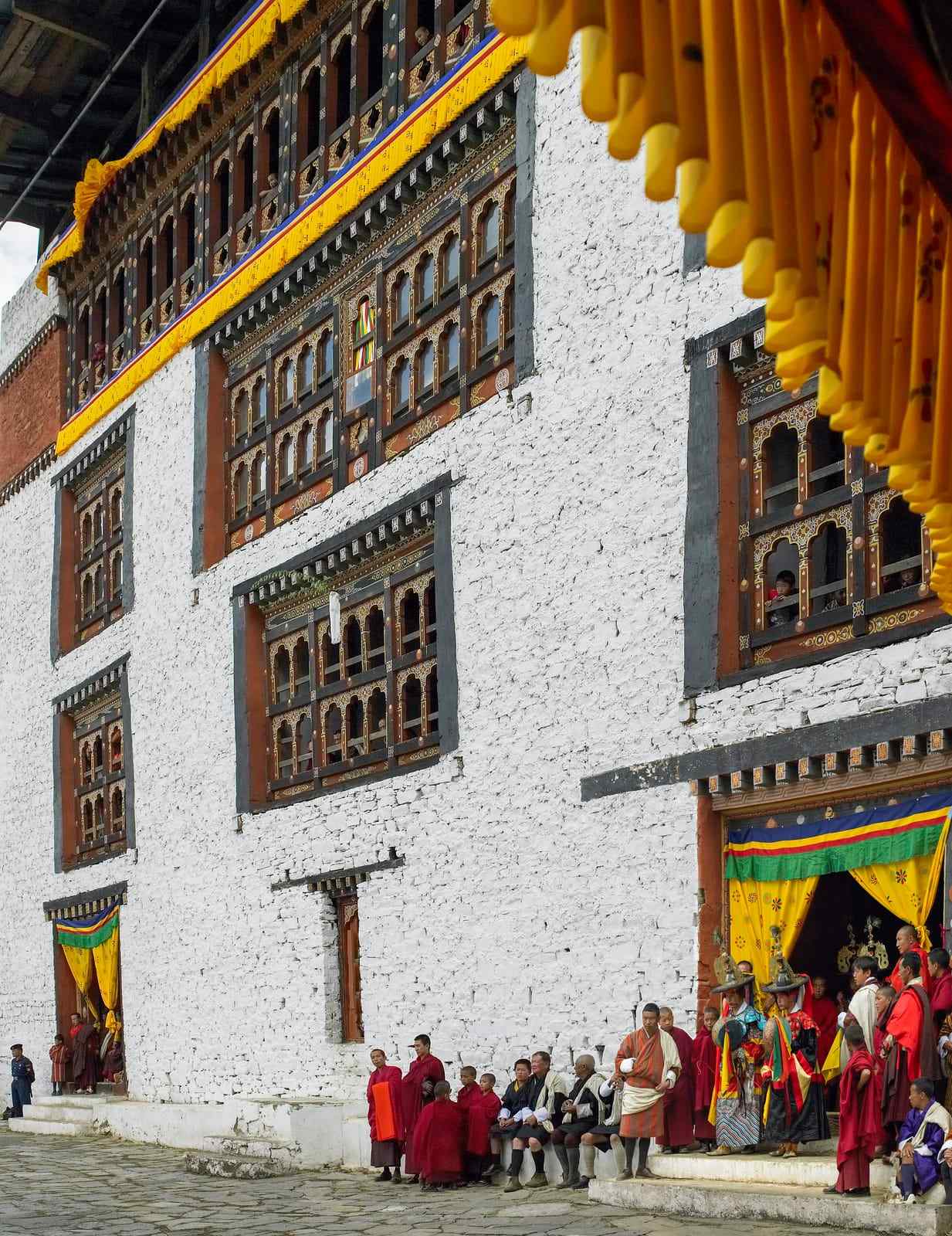
Tiger’s Nest is the obvious highlight, but Paro rewards those who stay a little longer.
- Kyichu Lhakhang Temple — one of Bhutan’s oldest and most sacred temples, only a short drive from the TUI BLUE Paro Taktsang.
- Ugyen Pelri Thang Palace — a quiet royal residence surrounded by a wooded park, close to central Paro.
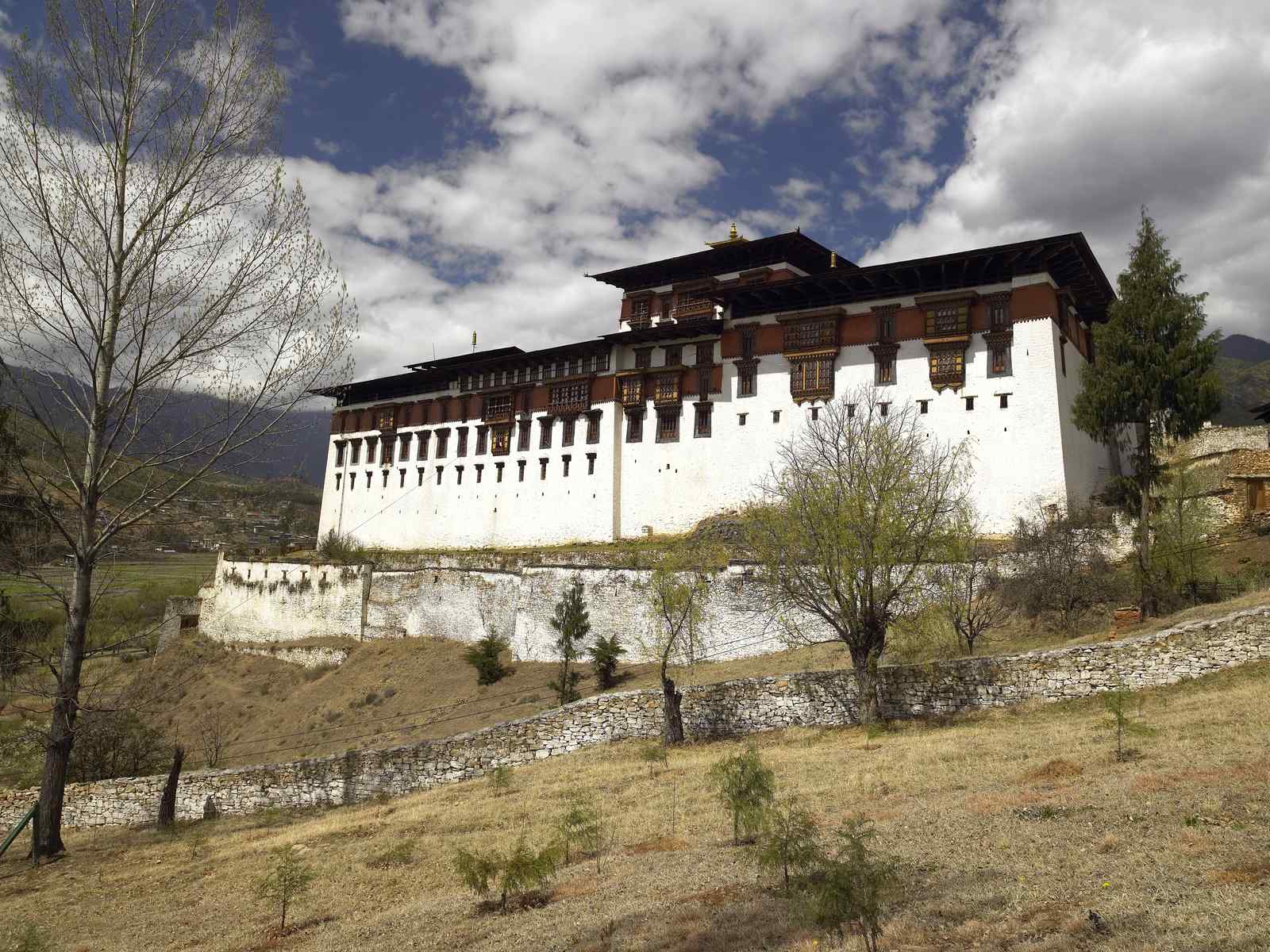
- Rinpung Dzong and the National Museum — a classic Bhutanese fortress-monastery and the neighbouring museum, with views over the valley.
- Paro town itself — a walkable main street with local shops, cafés and traditional architecture, ideal for a slow afternoon.
- Chele La Pass — one of the highest motorable passes in Bhutan, reachable as a half-day excursion from Paro on clear days.
For a three- or four-day trip, this is more than enough to feel that you have really been to Bhutan — not just landed there.
Where to stay: TUI BLUE Paro Taktsang
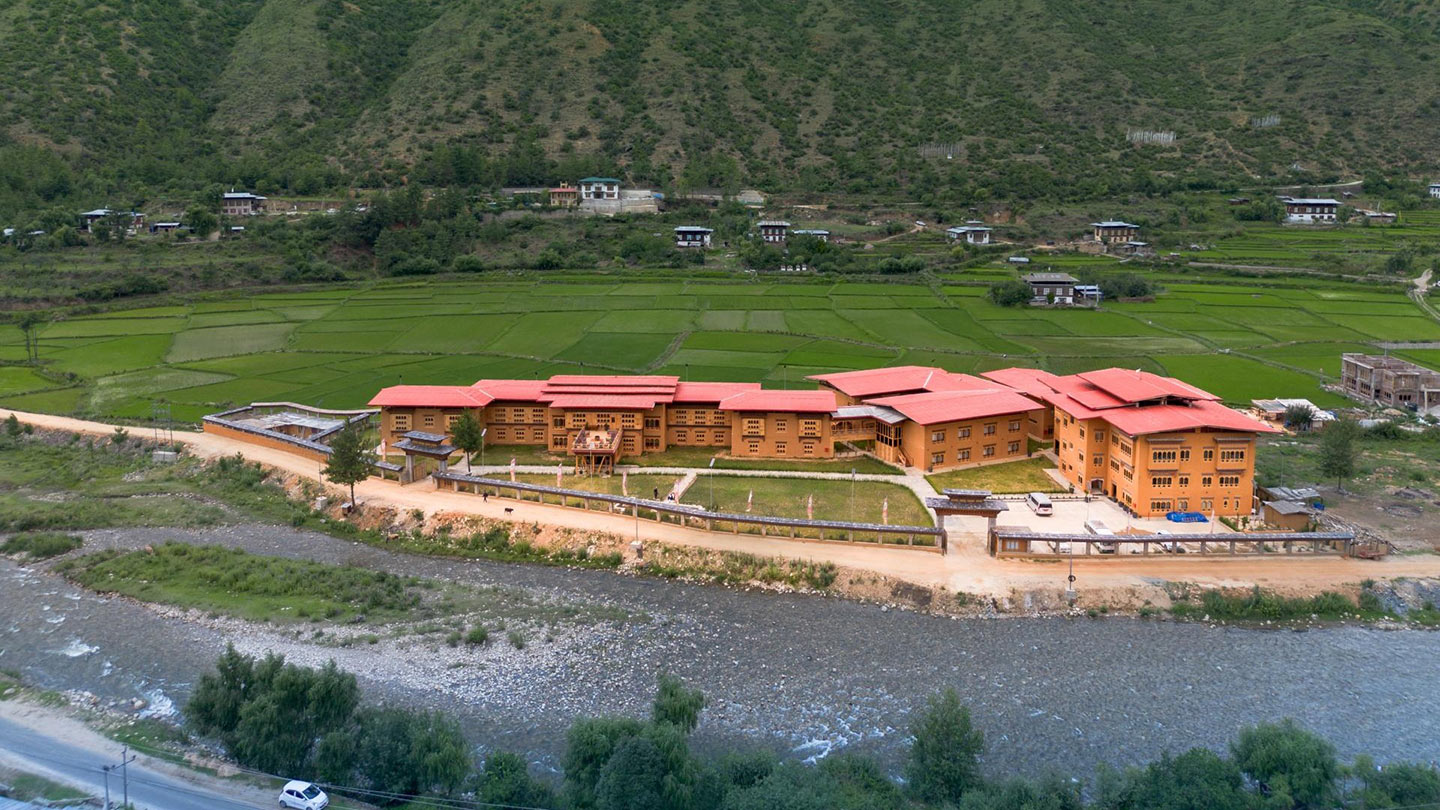
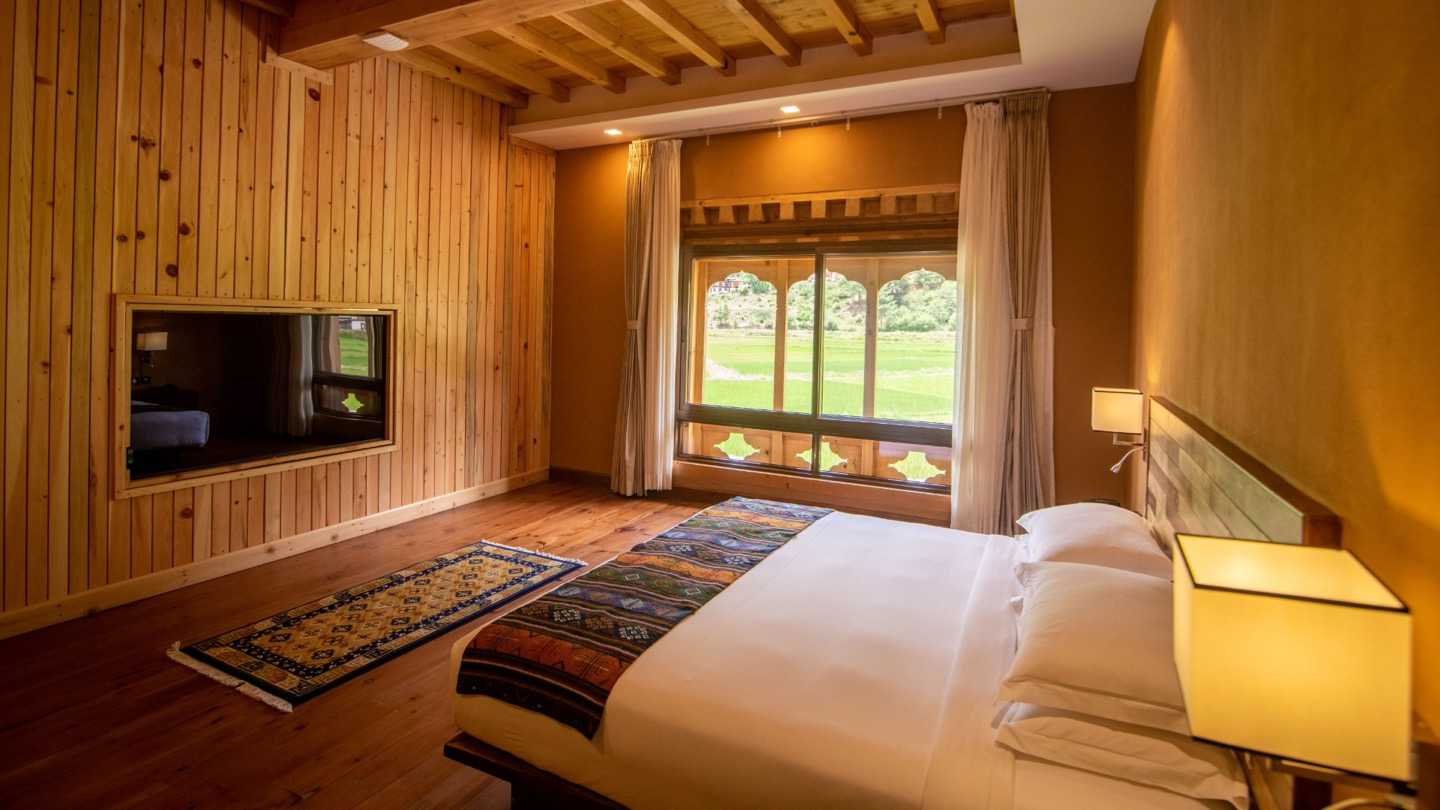
For a short and comfortable Bhutan trip, staying close to Tiger’s Nest makes a real difference. You start earlier, walk fresher, avoid long transfers and come back to a proper resort — not just a room.
The TUI BLUE Paro Taktsang opened as TUI BLUE’s first hotel in the Kingdom of Bhutan and is designed for modern leisure travellers who want cultural immersion, wellness and curated local experiences. It’s an adults-only hotel. The property features 34 Junior Suites and Suites, a restaurant, two bars, a ballroom, an indoor heated swimming pool, as well as spa and gym facilities. Architecture is inspired by traditional Bhutanese design, and dining concepts celebrate regional flavours, alongside sustainable building practices and responsible operations aligned with Bhutan’s environmental vision.
For a short trip, that combination matters. After a full day on the trail to Tiger’s Nest, an indoor heated pool, a warm meal and a quiet spa hour are not luxuries — they are what turns a good trip into a memorable one.
A sample short itinerary: 3 to 4 days in Paro
Here is one way to build a compact but satisfying Bhutan trip from India.
Day 1 – Arrival and Paro Valley Fly into Paro International Airport, transfer to the hotel and take the afternoon slowly. Walk through Paro town, visit Rinpung Dzong or Kyichu Lhakhang, and let your body get used to the altitude.
Day 2 – Tiger’s Nest An early breakfast, a steady hike up to Paro Taktsang, time at the monastery, and a slow descent. In the evening, dinner at the hotel and a visit to the spa.
Day 3 – Culture and nature A gentle day: Ugyen Pelri Thang Palace, the National Museum, a scenic drive towards Chele La Pass if the weather cooperates, and time to enjoy the resort.
Day 4 – Optional add-on and departure Either a short excursion in the valley or a relaxed morning at the hotel before flying back.
Indian tourists on average stayed around four nights in Bhutan in 2025, so this itinerary matches how many Indian travellers actually experience the country.
What Indian travellers should know before booking
A few practical points that make a real difference when planning.
- Entry Permit instead of a visa. Indian passport holders do not need a traditional tourist visa. You need an Entry Permit, which can usually be applied for online in advance or through a licensed Bhutanese tour operator.
- Sustainable Development Fee (SDF). Indian travellers pay a reduced SDF of INR 1,200 per person per night, while most other international visitors pay USD 100 per person per night. Children between 6 and 12 typically pay half, and children under 6 are exempt.
- Valid ID. A passport with at least six months of validity is the safest and most widely accepted document for Indian travellers.
- Currency and GST. From January 2026, a 5 % GST applies to tourism services in Bhutan, although the SDF itself is not affected.
- Guided travel. Most tourist itineraries in Bhutan are supported by licensed local guides and operators. This is not only a legal norm but also part of what makes travel in Bhutan feel calm and well-organised.
Rules can change, so always check the latest information on the official Bhutan Department of Tourism website or with a licensed operator before you book.
Best time to visit Bhutan for a short trip
Bhutan has four clear seasons, and each one has its own atmosphere. For a short Paro trip focused on Tiger’s Nest, spring (March to May) and autumn (September to November) are widely considered the most rewarding. Skies are usually clearer, mountain views are sharper, and the hike up to Paro Taktsang is more comfortable. Winter can be beautifully quiet but colder, while the monsoon months bring lush green valleys and occasional cloud cover over the monastery.
For Indian travellers, long weekends and festival holidays often align well with these seasons — which makes a short Bhutan getaway even more realistic.
How to get to Paro from India
Paro is directly connected by air to several major Indian cities, and flights into Paro International Airport are famously scenic on clear days, with views of Himalayan peaks. For travellers based in eastern India, the overland route via Phuentsholing is another option, although it takes longer and is used more by regional travellers than by those on a short holiday.
For a compact Bhutan side trip, flying directly into Paro is usually the most time-efficient choice.
Who this trip is perfect for
A short Bhutan escape to Paro is not for everyone — but for many Indian travellers, it fits beautifully.
It is a good match for couples looking for a quiet, meaningful getaway; for small groups of friends who want a shared adventure with real substance; for families with older children who can handle the hike to Tiger’s Nest; and for Best Ager travellers who prefer a calm, culture-rich holiday over a busy round trip.
It is less suitable for very young families expecting a beach-style holiday, or for travellers looking for nightlife and shopping. Bhutan’s charm is slower, quieter and more inward — and that is exactly why so many people fall in love with it.
Ready to plan your short Bhutan escape?
You do not need weeks to feel Bhutan. Sometimes, a few days in the right place are enough — a temple in the morning, a mountain trail in the afternoon, a warm meal in the evening and Tiger’s Nest quietly in the background of everything.
With its location close to Bhutan’s most iconic landmarks, the TUI BLUE Paro Taktsang offers exactly the kind of base that makes such a trip possible: comfortable, calm and rooted in Bhutanese design and culture.
If Bhutan has been on your list for a long time, this may be the year to finally go — not for the biggest itinerary, but for the most meaningful one.